
Manufacturing Cybersecurity: How to Protect Legacy Systems
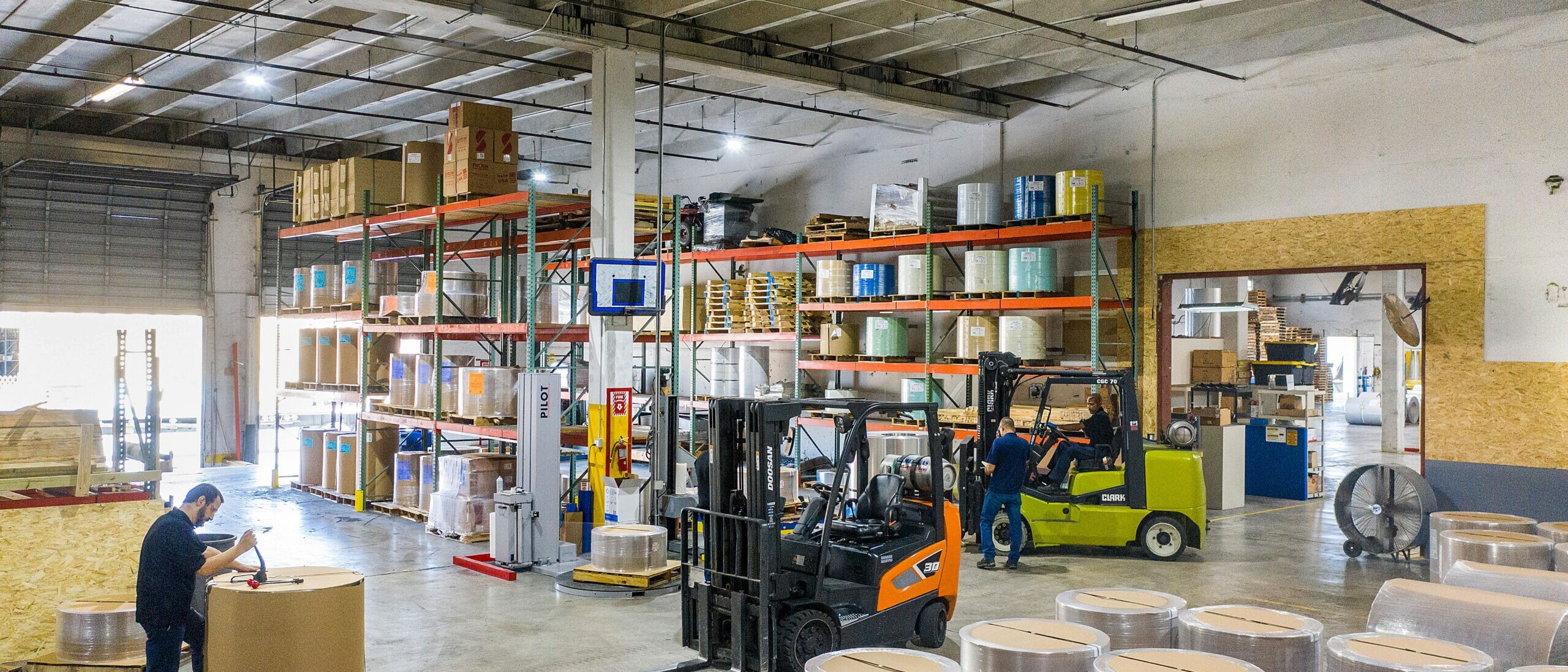
Manufacturing companies depend on technology to keep production lines moving, manage inventory, monitor equipment, and meet customer deadlines. However, many facilities still rely on older computers, industrial control systems, and specialized equipment that were never designed to withstand modern cyberattacks.
Replacing these systems is not always practical. Equipment upgrades can cost thousands of dollars, require extensive testing, and interrupt production schedules.
This creates a difficult challenge for manufacturers: How can you improve manufacturing cybersecurity without disrupting the systems your business depends on?
Fortunately, protecting legacy manufacturing systems does not always require replacing them. With the right cybersecurity strategy, manufacturers can reduce vulnerabilities, strengthen network security, and maintain operational continuity.
Why Legacy Manufacturing Systems Are Vulnerable to Cyberattacks
Manufacturing environments often contain technology that has been operating reliably for decades.
Unlike traditional office computers, industrial equipment may use specialized operating systems, proprietary software, and hardware that cannot be easily upgraded.
Common examples include:
- Programmable logic controllers (PLCs)
- Supervisory control and data acquisition (SCADA) systems
- Human-machine interfaces (HMIs)
- Older Windows computers connected to production equipment
- Manufacturing execution systems (MES)
- Legacy enterprise resource planning (ERP) integrations
Although these systems may continue functioning effectively, their age can introduce cybersecurity vulnerabilities.
Older operating systems may no longer receive security updates. Industrial equipment may lack modern authentication capabilities, and certain production applications may be incompatible with newer software.
According to the National Institute of Standards and Technology (NIST), operational technology environments have unique security requirements because changes can affect equipment reliability, safety, and availability.
For manufacturers, cybersecurity must account for these operational realities rather than applying the same security approach used in traditional office environments.
5 Cybersecurity Risks Facing Manufacturing Companies
1. Outdated Operating Systems and Software
Manufacturing equipment frequently depends on older operating systems because newer versions may not support existing machinery.
Unfortunately, unsupported systems can contain vulnerabilities that attackers exploit.
When upgrading is not possible, manufacturers should consider additional safeguards such as network isolation, restricted access, and monitoring.
2. Ransomware Attacks That Disrupt Production
Ransomware is particularly dangerous for manufacturing companies because attacks can interrupt operations beyond the office environment.
If attackers compromise production scheduling software, shared files, or connected systems, employees may lose access to the information needed to operate efficiently.
Potential consequences include missed production deadlines, delayed shipments, recovery expenses, and lost revenue.
Manufacturing cybersecurity strategies should therefore prioritize both preventing attacks and maintaining business continuity.
3. Poor Network Segmentation
Many manufacturers operate office computers, servers, production equipment, and industrial control systems on interconnected networks.
Without appropriate segmentation, a compromised office computer may provide attackers with a path toward more sensitive systems.
Separating operational technology (OT) networks from traditional information technology (IT) networks can reduce unnecessary communication and limit potential attack paths.
4. Unsecured Remote Access
Manufacturers frequently rely on outside vendors to maintain equipment, troubleshoot machinery, and update industrial software.
Remote access makes these services more convenient, but poorly secured connections can create opportunities for unauthorized access.
Manufacturers should evaluate vendor access, enforce appropriate authentication, and restrict connections to only the systems required.
5. Inadequate Backup and Recovery Planning
A backup system is only valuable if the organization can successfully restore its data and operations.
Manufacturers should consider protecting production configurations, critical business applications, system documentation, and other information necessary for recovery.
Regular recovery testing helps identify weaknesses before an actual disruption occurs.
How to Secure Legacy Manufacturing Systems Without Production Downtime
Improving manufacturing cybersecurity does not necessarily require taking equipment offline or replacing existing infrastructure.
Instead, manufacturers can implement a phased approach that prioritizes critical vulnerabilities while minimizing operational disruption.
Start With a Cybersecurity Assessment
Before making changes, manufacturers should understand which systems are operating throughout their environment.
A cybersecurity assessment can identify outdated software, exposed network connections, unsupported devices, and weaknesses in access controls.
This process also helps distinguish between vulnerabilities that require immediate attention and improvements that can be scheduled during planned maintenance.
Implement Network Segmentation
Network segmentation is one of the most valuable security improvements for facilities operating legacy equipment.
By separating office networks from production systems and limiting communication between them, manufacturers can reduce the potential spread of cyberattacks.
Segmentation should be carefully designed and tested to avoid interrupting legitimate equipment communications.
Strengthen Access Controls
Not every employee or vendor needs access to every system.
Implementing role-based access controls, reviewing administrator permissions, and using multifactor authentication where supported can reduce unauthorized access.
For legacy devices that cannot support modern authentication directly, manufacturers may need compensating controls such as secured remote-access gateways.
Monitor Systems for Suspicious Activity
Continuous monitoring can help identify unusual network behavior, unauthorized access attempts, and potential security incidents.
Manufacturers should use monitoring methods appropriate for industrial environments, particularly where active scanning or security software could interfere with sensitive equipment.
Early detection gives organizations an opportunity to investigate threats before they escalate into larger operational disruptions.
Schedule Updates Around Production Requirements
Patching remains important, but industrial systems require careful planning.
Updates should be evaluated for compatibility, tested when practical, and coordinated with equipment manufacturers and operations personnel.
The goal is to reduce vulnerabilities without introducing unnecessary production risks.
IT Security vs. OT Security: What Manufacturers Need to Know
One important aspect of manufacturing cybersecurity is understanding the difference between IT and OT security.
Information technology (IT) includes traditional business systems such as computers, email, servers, cloud applications, and enterprise software.
Operational technology (OT) includes systems that monitor or control physical processes, such as manufacturing machinery, industrial controllers, and production equipment.
While both environments require cybersecurity protection, their priorities can differ.
For example, restarting an office computer to install a security update may cause a minor inconvenience. Restarting an industrial controller without proper coordination could interrupt production or create safety concerns.
NIST’s Guide to Operational Technology Security emphasizes that industrial cybersecurity controls must account for reliability, availability, and safety requirements.
Manufacturers benefit from coordinating IT security professionals, OT engineers, equipment vendors, and plant management when developing their cybersecurity strategies.
How Managed IT Services Support Manufacturing Cybersecurity
For many small and midsize manufacturers, maintaining a dedicated internal cybersecurity team is not financially practical.
A managed IT services provider can help address this challenge by supporting the business technology infrastructure that manufacturing operations depend on.
Services may include:
- Proactive monitoring: Identifying potential issues before they become major disruptions.
- Endpoint protection: Securing supported workstations, laptops, and servers against cybersecurity threats.
- Patch management: Coordinating software updates and vulnerability remediation.
- Network security: Improving firewalls, access controls, and network segmentation.
- Backup and disaster recovery: Protecting critical business information and supporting recovery planning.
- IT consulting: Developing technology strategies that align with manufacturing operations and business growth.
Manufacturers with specialized industrial control systems should also ensure that their IT provider coordinates with qualified OT personnel and equipment vendors before making changes to production environments.
PivIT Strategy provides managed IT services for manufacturing companies, helping manufacturers strengthen cybersecurity, maintain reliable infrastructure, and support increasingly connected operations.
Protect Your Manufacturing Operations With PivIT Strategy
Manufacturing cybersecurity is about more than preventing data breaches. It is about protecting the technology that keeps your business operating.
Legacy equipment, outdated software, and interconnected production systems create challenges that require careful planning and ongoing attention.
By implementing network segmentation, strengthening access controls, monitoring for threats, and developing reliable recovery procedures, manufacturers can improve security without unnecessarily disrupting production.